Rediscovering Balance Between Life and Work: An Interview with Arlie Russell Hochschild
This week, I had the privilege of sitting down with Arlie Russell Hochschild, a world-renowned author and sociologist whose work has redefined our understanding of emotional labor and the delicate bal...
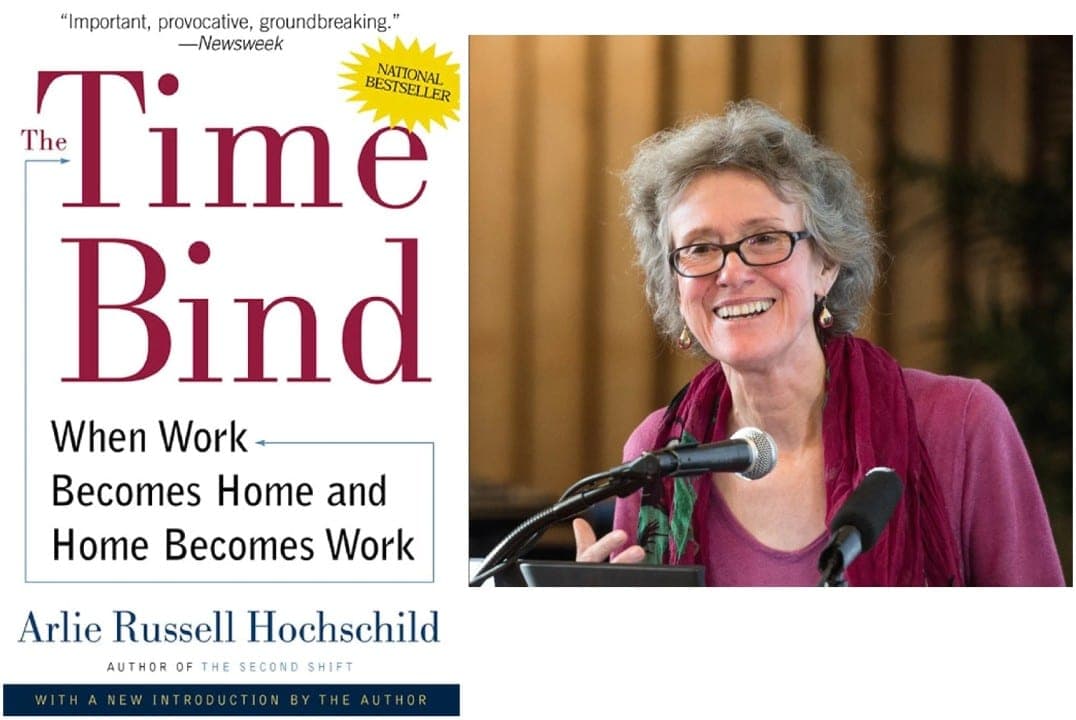
This week, I had the privilege of sitting down with Arlie Russell Hochschild, a world-renowned author and sociologist whose work has redefined our understanding of emotional labor and the delicate balance between work and life. With a career that has profoundly influenced contemporary social thought, Hochschild’s insights continue to resonate, even after her retirement from UC Berkeley, where she delved deeply into how we navigate our emotions in both personal and professional spheres.
In today’s conversation, we explored a challenge that has persisted since 1989—a pressing issue that affects everyone, regardless of marital status, gender, or parenthood. It’s a societal thread that we all feel the pull of, and one that demands our attention.
The Genesis of Insight: Hochschild’s Journey
Arlie Russell Hochschild’s career is both fascinating and impactful. Raised in the United States, she pursued a PhD in sociology and embarked on a career that combined rigorous academic research with the lived experiences of everyday people. Her focus on the intimate details of family life laid the foundation for her influential career. Personal experiences navigating career and motherhood challenges became the bedrock of her writings, blending personal anecdotes with sociological analysis.
Unpacking the Second Shift
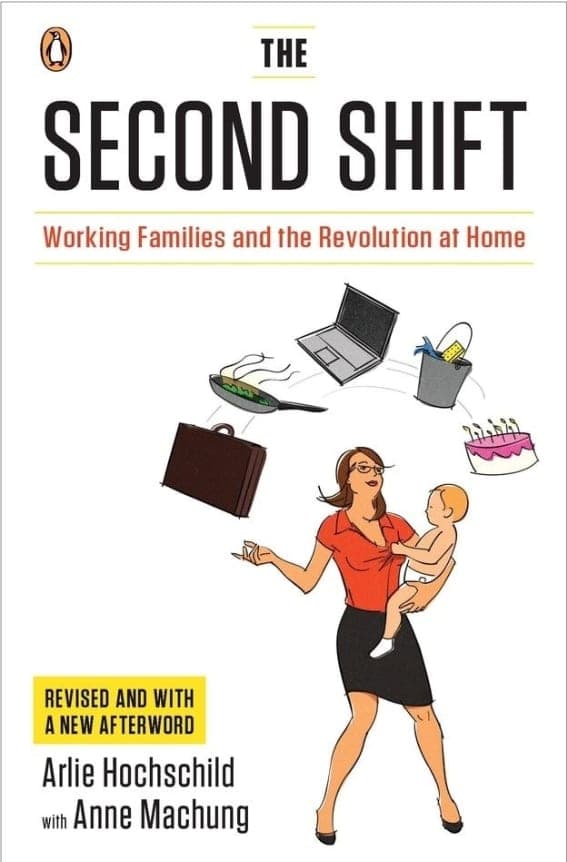
In her seminal work, The Second Shift (1989), Hochschild introduced the concept of the "second shift" to describe the unpaid domestic work and emotional labor that many women undertake after their formal workday ends, including childcare, cooking, and household chores. Despite societal progress, these burdens continue to fall disproportionately on women.
During our conversation, Hochschild noted that while more men are participating in domestic duties, the cultural shift towards equal sharing of these responsibilities is still incomplete. Men today are more likely to take pride in being involved in household tasks and child-rearing, but the balance remains unequal.
The Time Bind: When Work Becomes Home
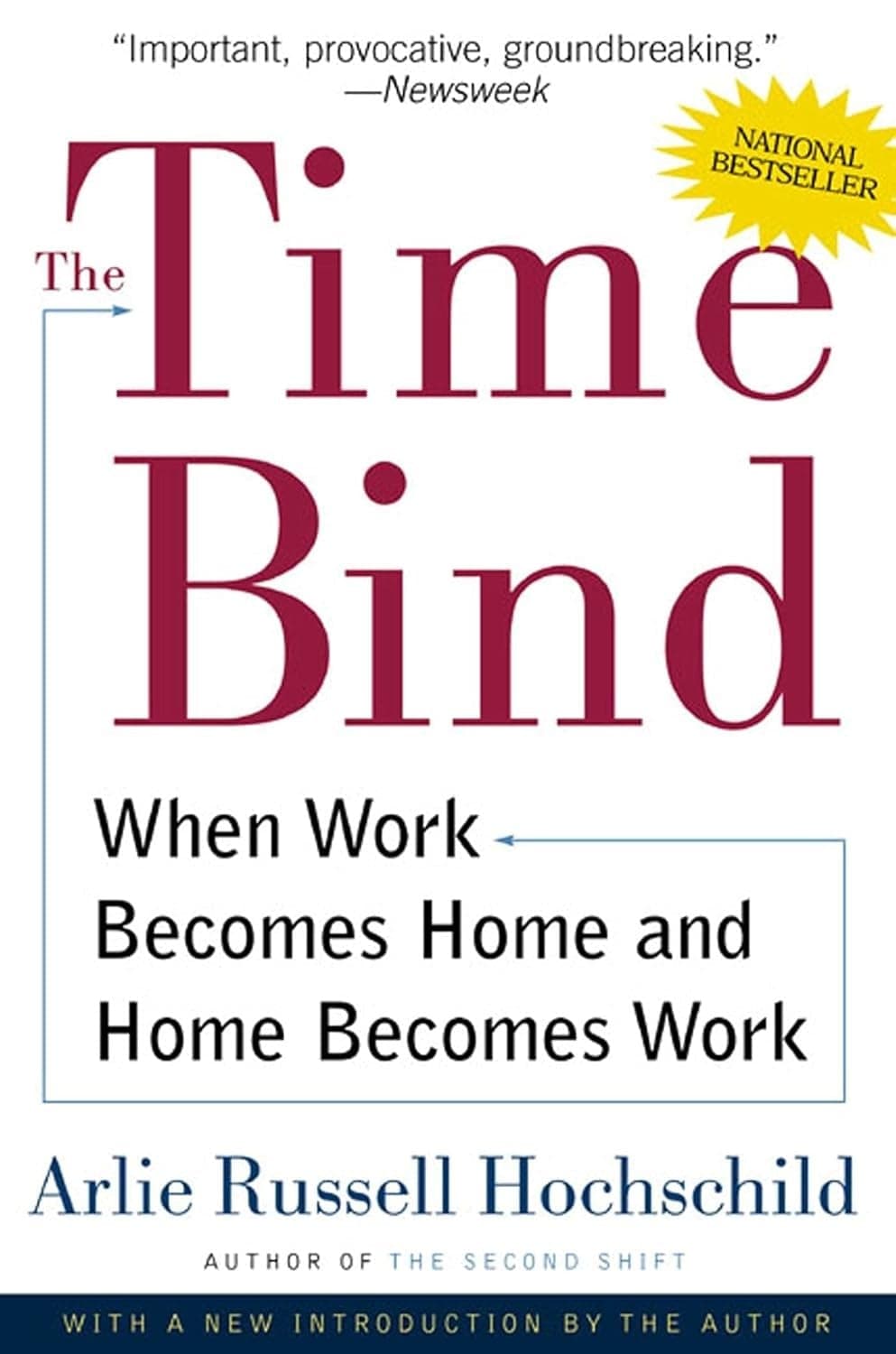
Hochschild’s follow-up book, The Time Bind, explores how workplace cultures and practices can encroach upon personal life. Through immersive research in a mid-sized American company, she found that despite efforts to promote work-life balance, employees often felt more engaged and supported at work than at home. This phenomenon led to work feeling like home, offering a sense of community and accomplishment, while home started to resemble work, filled with structured tasks and obligations.
Her findings revealed that companies offering flexible work hours and family-friendly policies could inadvertently blur the boundaries between work and home. For instance, on-site childcare, while beneficial, sometimes resulted in children spending extended hours in care facilities, further entangling work and personal life.
Solutions and Reflections
Despite these challenges, Hochschild remains optimistic about potential solutions. She advocates for greater flexibility and autonomy for workers, allowing them to manage their time more effectively. This includes policies like compressed workweeks and telecommuting, which can help balance professional and personal responsibilities better.
Hochschild also emphasized the importance of rebuilding community ties and fostering environments where people can engage in civic activities and support each other. This sense of community can help mitigate the pressures of modern work life and create a more balanced and fulfilling existence.
Interview Highlights
Yinuo: Your book The Second Shift has been influential since its release. Can you explain what you mean by "the second shift"?
Arlie Russell Hochschild: The first shift is the paid work done at the office or factory. The second shift refers to the unpaid labor at home, such as childcare, cooking, and housework. Many women, after a full day of paid work, come home to a second round of duties, which is equally demanding but often unrecognized. This concept highlights the persistent gender inequality in household responsibilities despite women’s increased participation in the workforce.
Yinuo: Has anything changed since you first wrote The Second Shift?
Arlie Russell Hochschild: While more women have entered the workforce, creating a significant shift in labor dynamics, many fundamental issues remain. Men are doing more at home, but the division of labor is still uneven. Societal changes, like the rise of the service sector and declining male wages, have pushed more women into the workforce out of necessity. There's also been a cultural shift where men take more pride in contributing to domestic tasks, but we still have a long way to go.
Yinuo: In your follow-up book, The Time Bind, you explore how work becomes home and home becomes work. Could you elaborate on that?
Arlie Russell Hochschild: I found that workplaces were adopting more family-like qualities, offering emotional support and a sense of community. Conversely, homes were adopting workplace-like efficiencies, with structured schedules and managed time, even for leisure activities. This blurring of boundaries means that people often feel more at home at work and more pressured at home. This dynamic can lead to a loss of personal time and increased stress as people juggle these competing demands.
Yinuo: How do these changes affect our civic engagement and community life?
Arlie Russell Hochschild: The increasing demands of work have significantly reduced the time and energy people have for civic engagement. This is troubling because civic participation is crucial for a healthy society. Without time to invest in our communities, we become more isolated and less capable of addressing collective challenges like climate change. The decline in civic engagement weakens the social fabric and makes it harder to mobilize for important causes.
Yinuo: You've mentioned "hypothetical selves" in your work. What does this concept entail?
Arlie Russell Hochschild: "Hypothetical selves" refer to the idealized versions of ourselves that we aspire to be, often influenced by consumer culture. We buy goods envisioning a future self who uses them, but often these items go unused. This phenomenon highlights how consumerism ties into our sense of identity and the pressures we face to live up to these ideals. It reflects a kind of temporal debt where we are constantly preparing for a self we might never become.
Yinuo: What are some practical solutions to the issues you've raised?
Arlie Russell Hochschild: Empowering workers with more control over their schedules is one solution. Flexible work arrangements and telecommuting can help, though they come with their own challenges. Building strong community ties and support systems is also crucial. It's about creating environments where people feel valued both at work and at home. For example, some companies have allowed workers to set their own schedules or work from home, which can significantly reduce stress and increase productivity.
Yinuo: Finally, what observations have you made about work culture and private life since publishing your books?
Arlie Russell Hochschild: Work culture continues to consume much of our time, often at the expense of personal and civic life. There's a growing awareness of these issues, but change is slow. We need to rethink our values and priorities, emphasizing community and personal well-being alongside professional success. The challenges of work-life balance are still very much present, but there are promising shifts as more people recognize the need for change and push for policies that support a healthier balance.
An reflection from the interview
My conversation with Arlie Russell Hochschild underscores the enduring relevance of her work and the ongoing need to address the complexities of balancing work and personal life. Her insights offer a roadmap for individuals and organizations striving to create environments where both professional and personal well-being can thrive. By acknowledging the hidden assumptions and cultural forces at play, we can begin to implement changes that support a more equitable and harmonious distribution of labor, both at work and at home.
For readers, Hochschild’s works provide invaluable guidance and inspiration. Her books, The Second Shift and The Time Bind, remain essential reading for anyone looking to understand and navigate the intricate dance between career and family life.
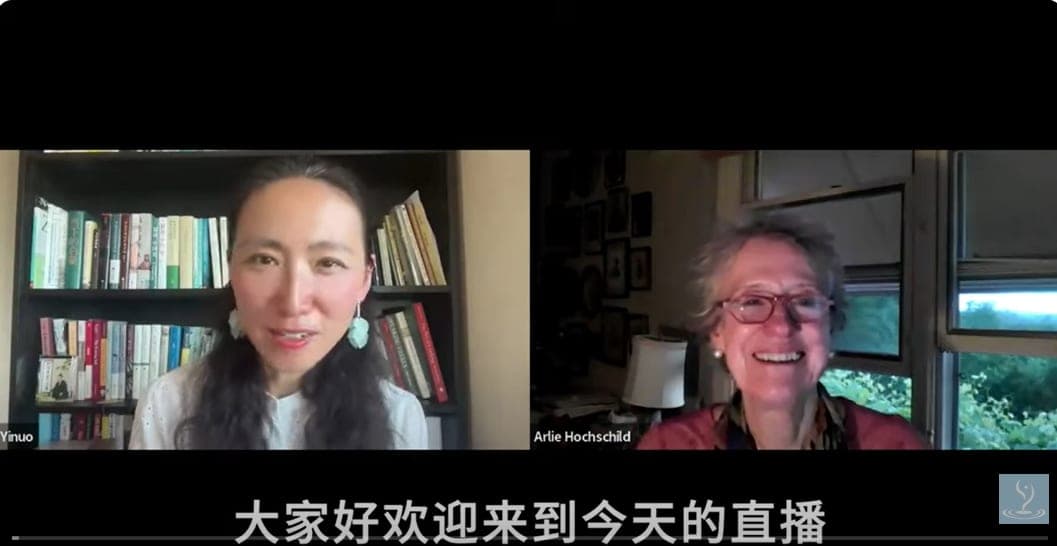
I invite you to watch the full interview video to delve deeper into our conversation and explore Hochschild's valuable insights.
#TheSecondShift #TheTimeBind #ArlieRussellHochschild #Yinuo #worklifebalance #housework #familylife