Gaming, Futurism, and Urgent Optimism: Lessons from My Conversation with Jane McGonigal
When I first sat down to speak with Jane McGonigal, I knew I was in for a conversation that would challenge my perceptions of gaming and the future. Jane is no ordinary guest—she’s a futurist with a r...
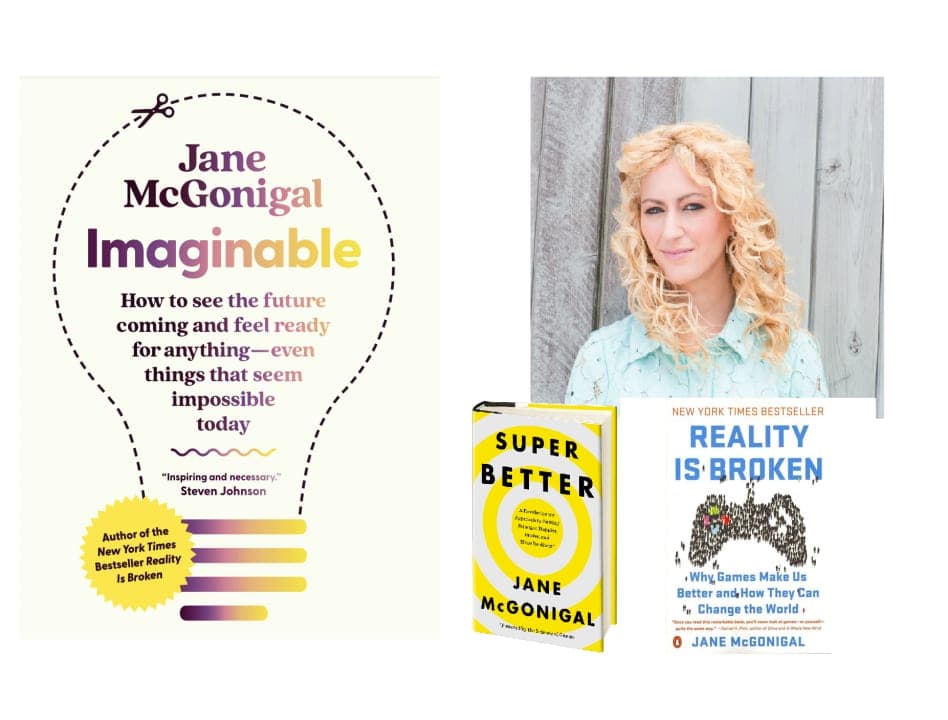
When I first sat down to speak with Jane McGonigal, I knew I was in for a conversation that would challenge my perceptions of gaming and the future. Jane is no ordinary guest—she’s a futurist with a remarkable track record of accurate predictions and a game designer who believes that gaming can change the world. As we delved into her experiences, I was struck by the depth of her insights, not just about gaming, but about how we can all better prepare for the future.

Gaming as a Pathway to Real-World Skills
One of the most compelling parts of our discussion was Jane’s perspective on gaming. For many, gaming is seen as a time-wasting hobby, especially when it comes to our children. But Jane flips this notion on its head. She described how gamers develop critical skills through play—skills like urgent optimism, which is the confidence to face challenges head-on, learn from failure, and keep trying until they succeed. This mindset, she argues, is not just confined to the virtual world but is highly transferable to real-life situations.
I found myself reflecting on this in the context of my own son, who recently built his first computer, motivated by his desire to design his own games. Jane’s insights reminded me to look beyond the surface of his gaming passion and recognize the valuable skills he’s developing—problem-solving, research, and even financial management. It’s a reminder that, as parents, we should be more curious about what our children are learning from their interests, rather than dismissing them out of hand.
Bridging the Generational Gap Through Understanding
Jane also touched on the disconnect many parents feel with their gaming children. She shared stories of parents who, after embracing their children’s love of gaming, experienced profound improvements in their relationships. This resonated deeply with me, as I’ve seen firsthand how engaging in conversations about what excites our kids can bridge the gap between us. Jane’s approach isn’t just about gaming; it’s about seeing and validating our children’s passions, which in turn strengthens the bond we share with them.
Turning Adversity into a Game: A Personal Journey
Our conversation took a poignant turn when Jane shared her personal story of overcoming a traumatic brain injury. Struggling with depression and anxiety after a concussion, she used her expertise in game design to create a role-playing game that helped her cope with and eventually recover from her condition. This story, which she also shares in her TED Talk, is a powerful testament to the therapeutic potential of games. Jane’s journey from despair to recovery through “SuperBetter,” the game she created, is not just inspirational—it’s a concrete example of how the principles of gaming can be applied to real-world challenges.
Predicting the Future: A Science, Not a Crystal Ball
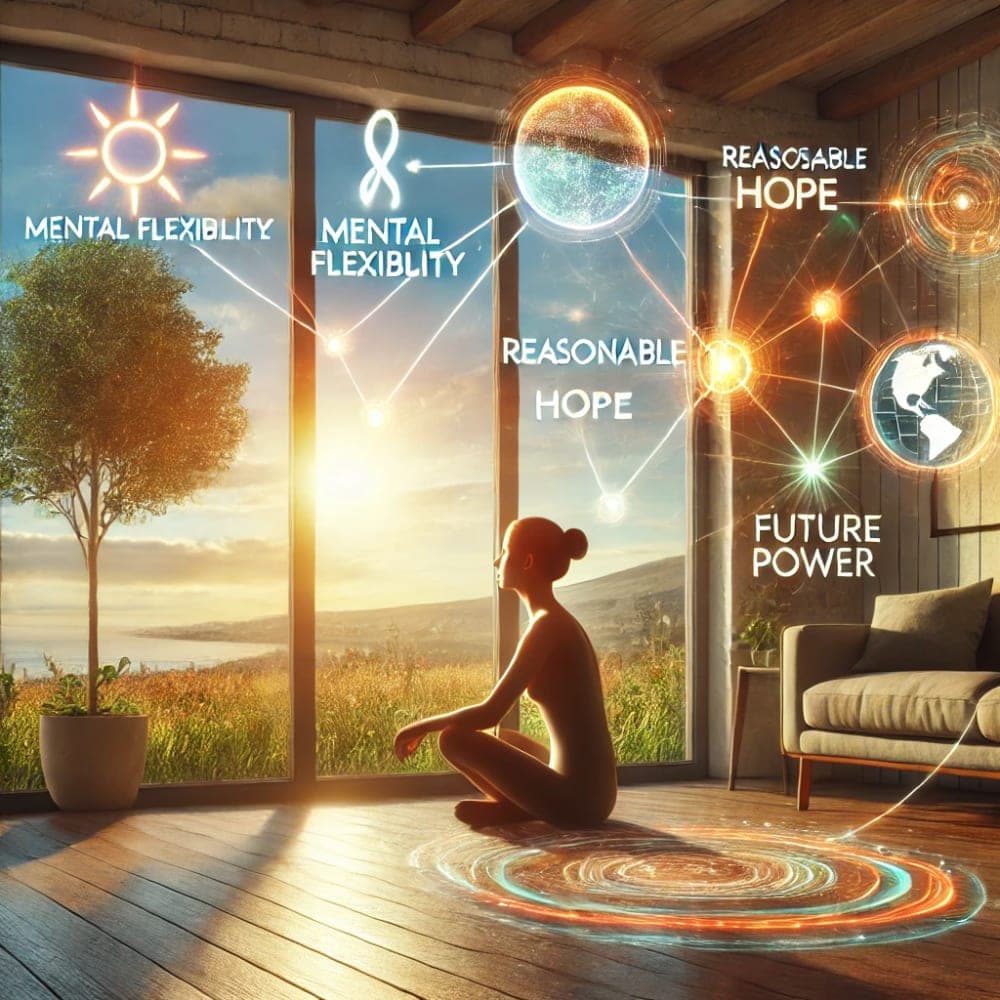
Perhaps the most fascinating part of our discussion was Jane’s work as a futurist. Over the past two decades, she’s led large-scale forecasting games that have eerily predicted global events, including the COVID-19 pandemic. What sets Jane apart is not just her ability to foresee potential futures, but her emphasis on preparing people to face these futures with urgent optimism. This concept, as Jane explained, involves three key elements: mental flexibility, reasonable hope, and future power.
These elements are crucial not only for anticipating what’s to come but also for feeling empowered and prepared today. Jane’s approach is grounded in science, not mysticism. She and her colleagues at the Institute for the Future have spent years refining their methods, and their work demonstrates that thinking about the future doesn’t have to be a source of anxiety—it can be a source of strength.
A Final Reflection
My conversation with Jane McGonigal left me with much to ponder. Her ability to see the invisible—to recognize the value in things others might dismiss, like gaming—has implications far beyond the virtual world. It’s a reminder that the future isn’t something that happens to us; it’s something we can prepare for and shape. Whether through gaming, personal resilience, or thoughtful forecasting, we all have the tools to create better futures for ourselves and our communities. Jane’s work is a call to embrace those tools with confidence and creativity
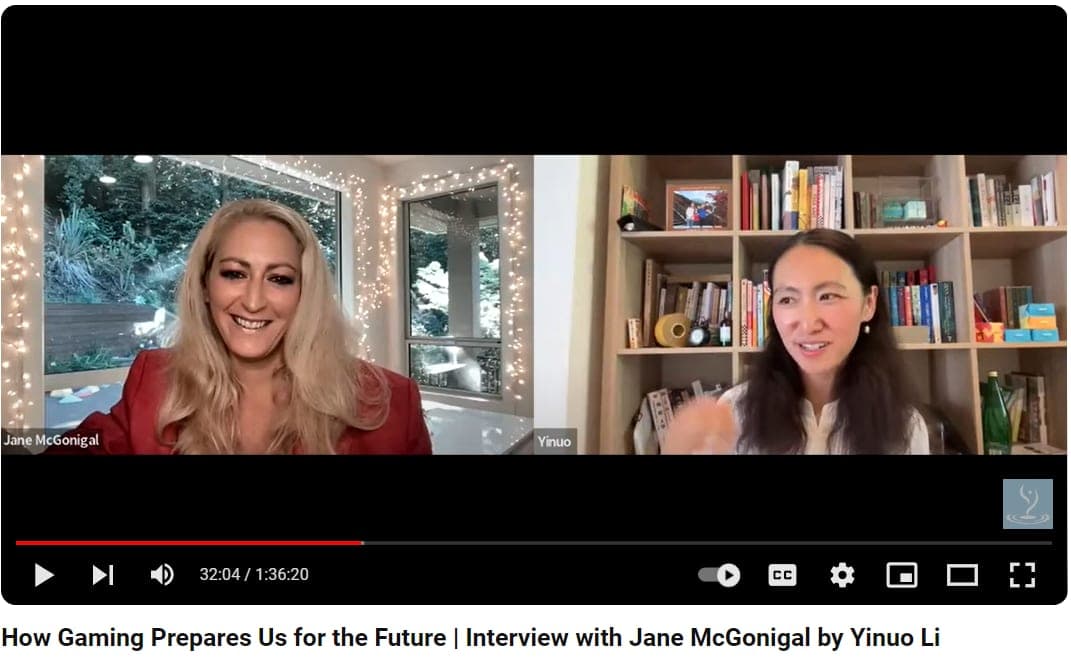
🔗Click below to watch the full interview on my channel on Youtube
#FutureOfGaming #JaneMcGonigal #GamingTheFuture #Futurist #GameDesign #Imaginable #FutureThinking #TEDTalks #ParentingAndGaming #FuturePrep #mindsetshift #YinuoLi