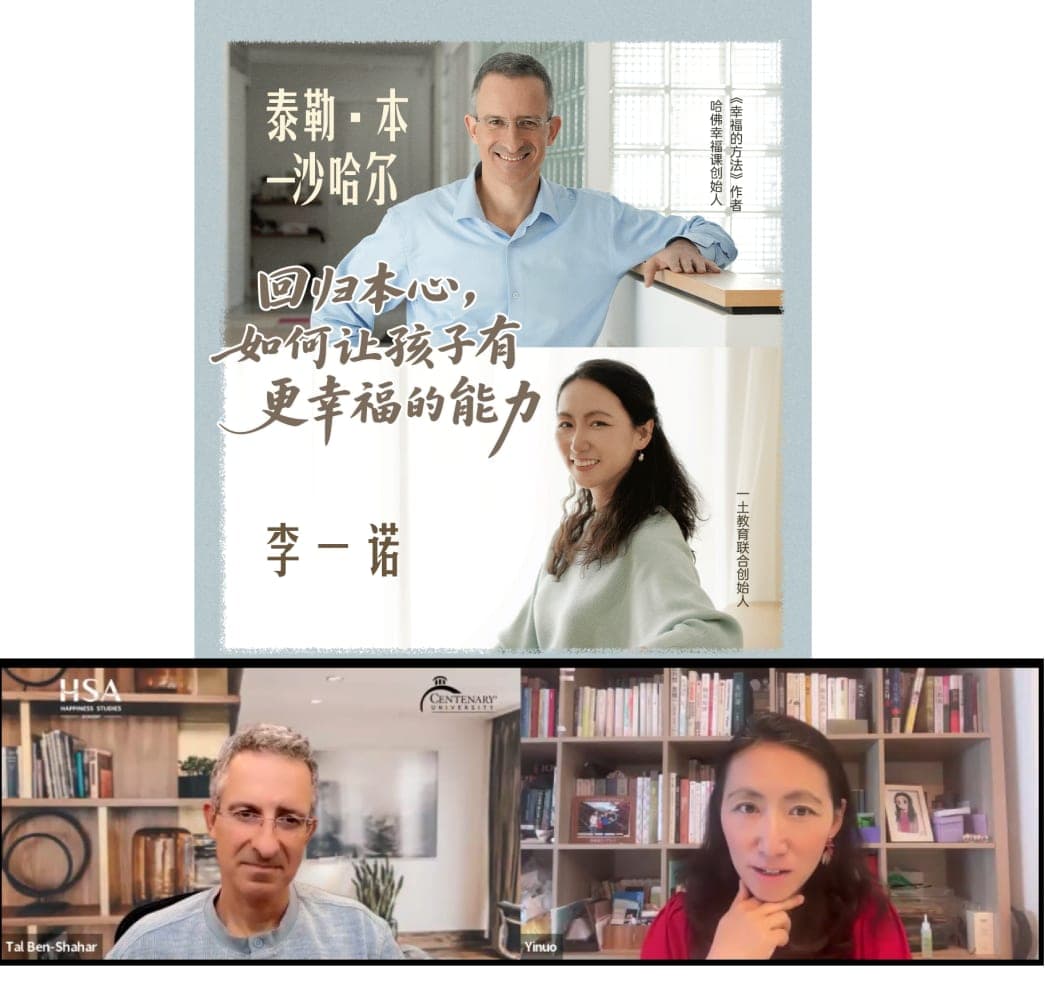
Dr. Tal Ben-Shahar: The Bracelet That Saved a Harvard Professor
You’d think the man who taught Harvard’s most popular course on happiness would have no trouble staying zen with his kids. Wrong.
You’d think the man who taught Harvard’s most popular course on happiness would have no trouble staying zen with his kids. Wrong.
Dr. Tal Ben-Shahar admitted in our livestream that after weeks of travel he found himself snapping at his children. His solution? Not therapy, not a sabbatical, not a three-day meditation retreat. A bracelet.
A cheap, ordinary bracelet he wore for thirty days—just to remind himself to be “kind, gentle, generous.” It worked. And suddenly, the science of happiness looked a lot less like lofty theory and a lot more like survival gear.
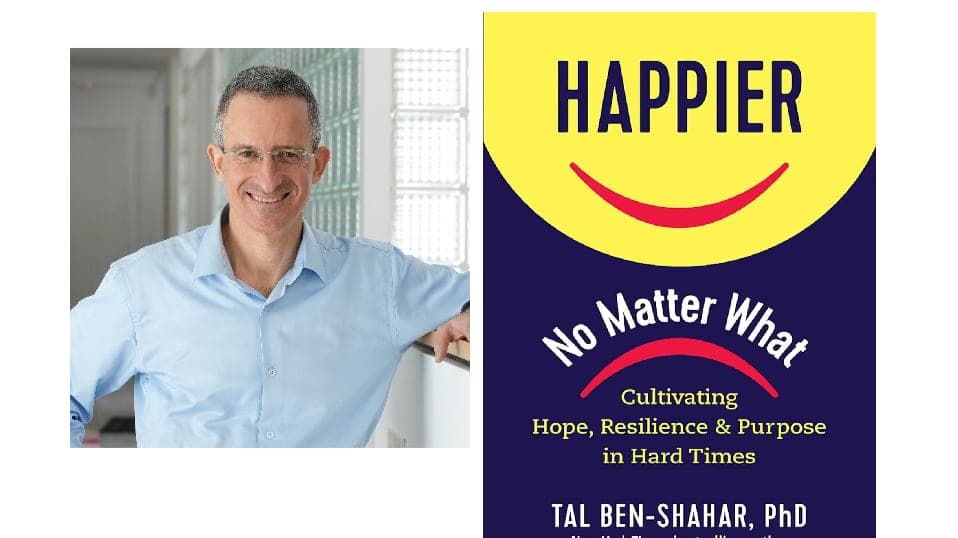
That’s what makes Tal such a compelling figure. A former Harvard lecturer, he designed the university’s blockbuster courses on Positive Psychology and The Psychology of Leadership—classes so wildly popular they drew close to a quarter of the student body. He holds a Ph.D. in Organizational Behavior, has written international bestsellers like Happier and Happier No Matter What, and has been called one of Harvard’s most beloved teachers.
But what stands out isn’t the résumé. It’s that he doesn’t preach happiness from an ivory tower. He wrestles with it in the mess of daily life—as a parent, partner, and human being—sometimes with nothing more than a two-dollar bracelet to keep him grounded.
Happiness Isn’t Frosting. It’s Yeast.
Tal knows that in 2025, talking about happiness can feel tone-deaf. Wars, layoffs, climate panic—it sounds like telling someone at a funeral to “cheer up.”
“To talk about happiness seems maybe… insensitive,” he admitted. And yet, he insisted, this is when we need it most.
““Happiness isn’t the frosting on life’s cake. It’s the yeast that helps us rise.””
That’s why he teaches SP.I.R.E.—five pillars of well-being that are less spa-retreat and more human maintenance:
The Grocery-Bag Workout
Of course, the question always comes: Sounds great, but who has the time?
Tal’s answer was simple:
““Small changes make a big difference—when consistently applied.””
Forget 90 minutes of hot yoga. Ten minutes of Qigong, three deep breaths, or one dinner with phones turned face down will do.
I confessed my own hack: turning grocery bags into dumbbells on the walk home. People may laugh, but my apples get heavy and my triceps get toned. Tal nodded. This counts.
Here’s the real catch: the obstacle isn’t time, it’s attention. “Sometimes what’s missing isn’t time—it’s the mental detachment to use the time we have.”
Forgetfulness: The Real Villain
We know gratitude is good. We know presence matters. We just… forget.
That’s where the bracelet comes in.
““We need reminders… that will guide us toward the best version of ourselves.””
His own bracelet was nothing fancy, just a daily nudge to soften his tone at home.
It’s the essence of his Three R’s of change:
That’s how you brush your teeth, play piano, or—yes—practice happiness.
Stress: Friend or Frenemy?
Here’s Tal’s radical twist:
““The problem is not the stress. The problem is the lack of recovery.””
Stress + recovery = growth. Stress – recovery = burnout.
And recovery doesn’t mean a Bali retreat. It can be micro: a one-minute stair climb, three deep breaths, or even a brisk walk around the block. Sprinkle enough of these “micro-recoveries” through the day, and stress becomes your personal trainer, not your executioner.
As a mother of three, I laughed when Tal teased: “Three children? Three times stressful.” I corrected him: “Nine times.” Parenting math is exponential.
Parenting Without the Halo
On raising kids, Tal offered relief in one phrase:
““Our children don’t need perfect parents, they need good enough parents.””
A flawless parent—always calm, always wise—would only mislead kids about real life, which is messy at best.
His other warning: don’t bubble-wrap children. “Guard from danger, not from difficulty.” Kids need to stumble, quarrel, and resolve things themselves. That’s how resilience is forged—one scraped knee, one friendship fight at a time.
Why the Bracelet Still Matters
By the end, the bracelet story no longer felt quirky. It felt like the perfect metaphor for happiness itself.
Happiness doesn’t arrive through grand declarations. It sneaks in through tiny nudges: a bracelet, a Post-it, a reminder on your phone. A two-dollar string that interrupts your forgetfulness and steers you back to kindness.
Or, as Tal put it:
““Reminders, repetition, ritual.””
That’s how you carve new neural pathways. That’s how music is learned, languages absorbed, and—yes—how happiness becomes second nature.
And maybe that’s the real lesson. If even Harvard’s happiness professor needs a bracelet to stay kind, then perhaps the rest of us can forgive ourselves for forgetting—and simply start again, with one small reminder at a time.