Apple No.54 John Couch: the years teach much that the days never knew
It was a warm afternoon on when I sat down with John Couch—former Apple executive, first VP of software, education visionary, and the kind of person who casually mentions he retired at 36… only to go ...
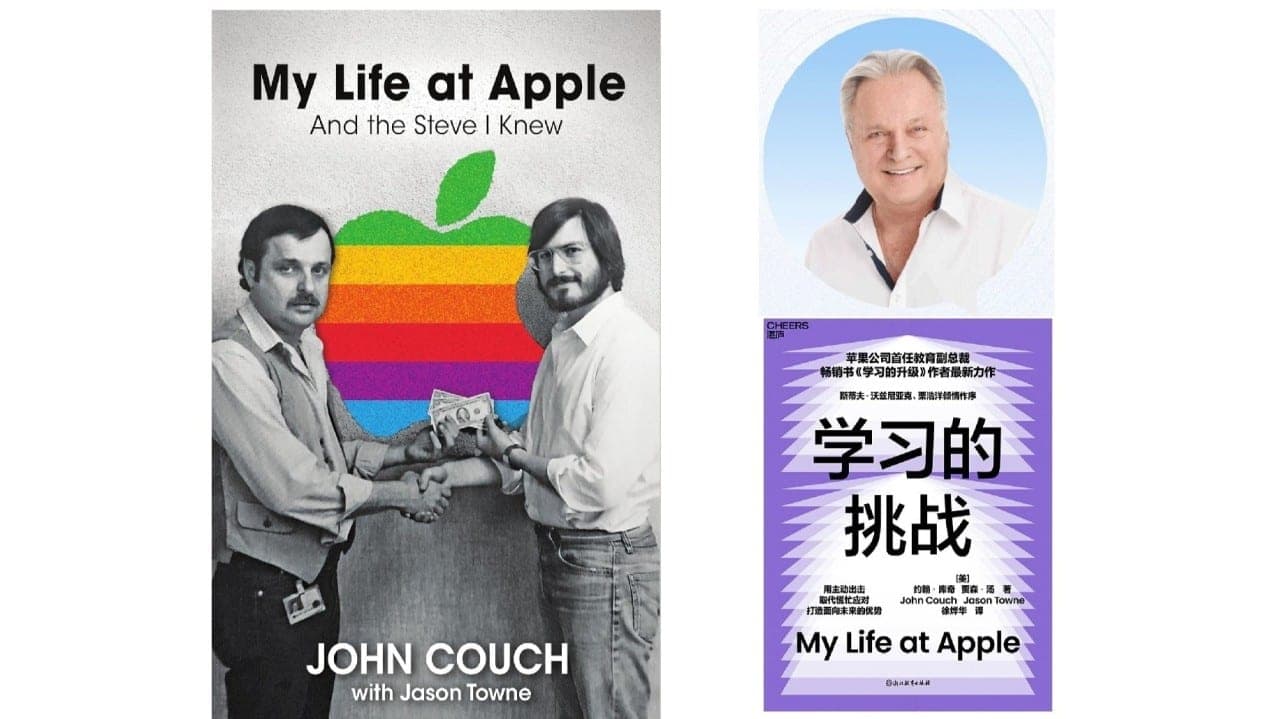
It was a warm afternoon on when I sat down with John Couch—former Apple executive, first VP of software, education visionary, and the kind of person who casually mentions he retired at 36… only to go run a failing school. This was supposed to be an interview, but what unfolded felt more like opening a window into a quiet, layered life—of ideas, of decisions, of loss, of grace.
I began by asking the obvious: Why write books after all the big chapters of your career?
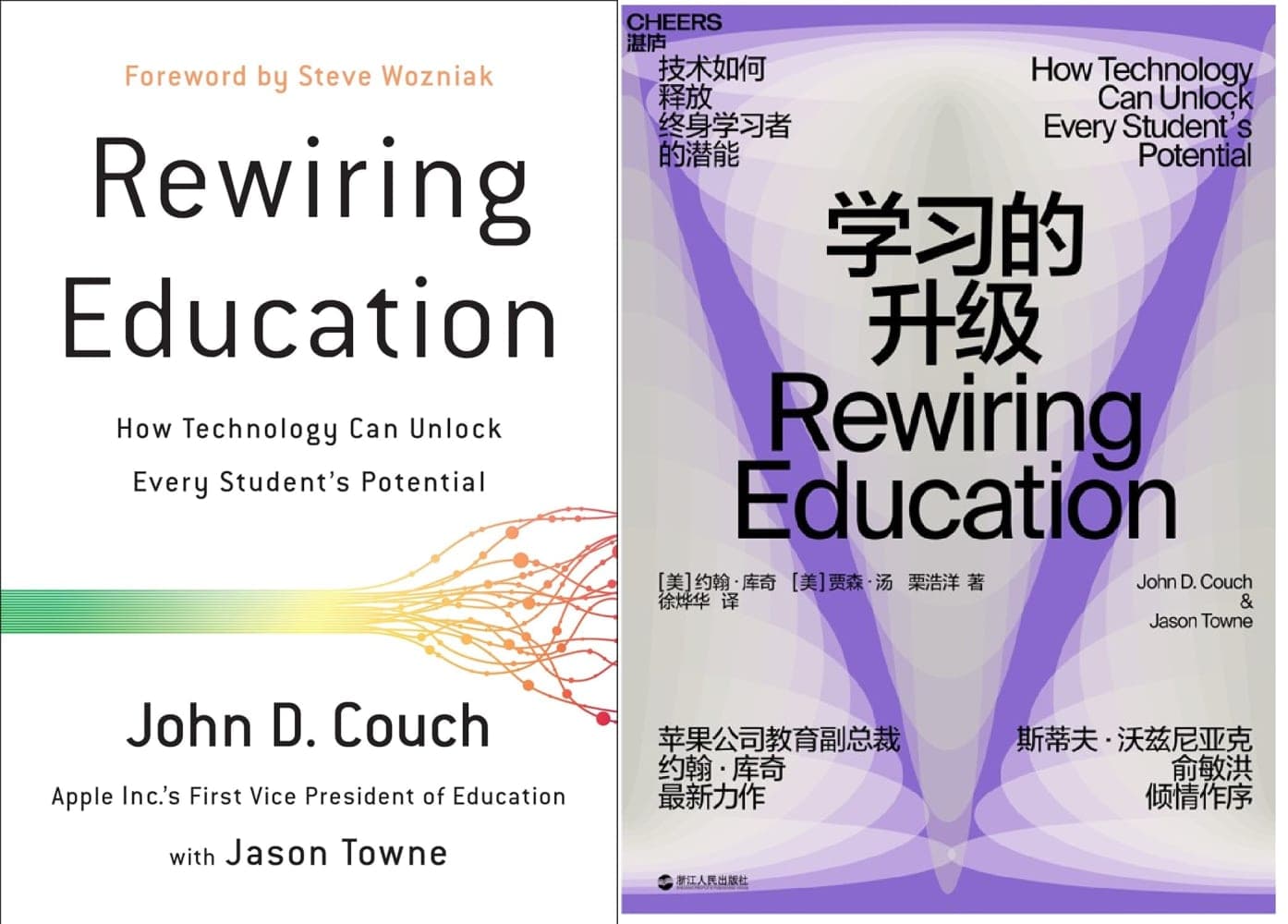
John paused, then smiled. “The first book, Rewiring Education, was a reflection of my own experience,” he said. He told a story from college—a final physics exam that had just one question: “Describe the motion of a spinning top in free space.” We’d never covered it in the lectures. It wasn’t in the textbook. And I watched all these straight-A students around me panic. They had trained their brains to recall, not to think.
“That’s when I realized I wasn’t going to memorize my way through life.”
From that moment, John’s passion became building a different kind of learning: one rooted in relevance, creativity, collaboration, and challenge. “We made the distinction between intrinsic and extrinsic motivation. Most schools reward extrinsic motivation—but what if learning could be about real problems students care about?”
And then, with quiet conviction, he said something I haven’t been able to shake:
““Education is what people do to you. Learning is what you do for yourself.””
It felt like a quiet indictment of the system, and a rallying cry for something deeper and more human. This idea threaded through everything he shared—from his time running a Christian school after leaving Apple, to the documentary he’s just produced, The Death of Recess. “We’re testing creativity out of kids,” he said. “Recess, music, play—those aren’t extras. They’re how children make sense of the world.”
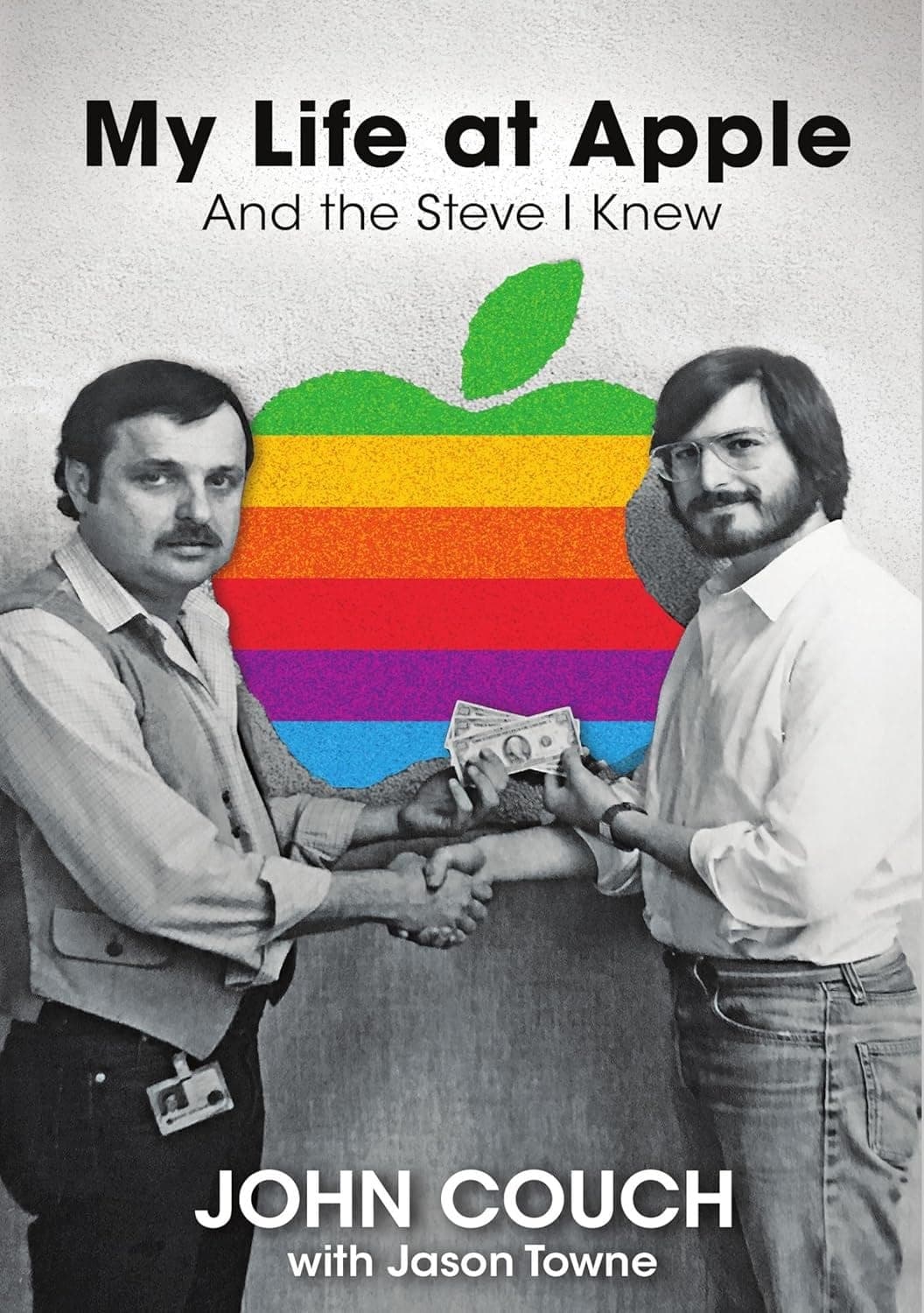
The second book, My Days at Apple, was a kind of tribute—not just to Apple’s early days, but to a person many think they know but few really understood. “People wrote books about Steve who never knew him,” John said. “They described him as managing by fear. That’s not true. Steve managed by inspiration. He believed in people before they believed in themselves.”
He paused again, remembering Steve’s first instruction when he hired John: “Design a computer everyone could use.” There was no manual, no precedent. “And that tied right back to the education book,” John added. “Life is full of questions that aren’t at the back of the textbook.”
He told story after story—not boastfully, but gently, with a kind of steady humility. The first day at Apple, where Steve showed up barefoot and sat in lotus position during a product pitch, declaring one printer “a piece of s***” and the next product—Dennis Hayes’ modem—a million-unit idea. “That was Steve,” John shrugged, “brutally honest and wildly visionary.”
But what stayed with me most weren’t the famous names or the product launches. It was the quieter truths.
“I lost my father when I was six. My sister at nine. Another at eleven.” He looked offscreen for a moment, the weight of those memories hanging in the space between us. “You don't see those scars. But we all carry them.”
John lives now in a vineyard in California. He calls his tasting room “my grandfather’s taxi”—a nod to the man who raised him after his father died, a man who drove a cab for 30 years to give back. In John’s tasting room, the wine bottles are named after the people who shaped him. Jewel. Woz. Joe.
“Every bottle tells a story,” he said.
He gives his books away there, too. “The first two were about Steve and education,” he told me. “But the next one’s called Ordinary Man. It’s about the soul underneath it all.”
I asked him why he left Apple at 36 to run a failing Christian school. “Because Steve told me: Take your business acumen into education. Then bring what you learn back to business.”
He did just that—returning to Apple years later to lead its education efforts.
I asked him if working with Steve was hard. “Yes,” he said quickly. “But Steve respected people who stood their ground. One time he told me to fire someone. I said, ‘Fire me first.’ Two months later, he told me, ‘Man, she’s good.’ That was his way of saying, you were right.”
Steve, he said, didn’t apologize the usual way. “Instead, he’d ask me about my family. That was his version of ‘I’m sorry.’” When Steve was diagnosed with cancer, he called John. “He said, ‘You’re one of the most trustworthy people I know.’”
The Steve he knew had tenderness, not just talent. Vision, not just velocity.
I asked John what he thinks about AI, the future of education, the endless testing. He didn’t flinch. “Education is what people do to you. Learning is what you do for yourself,” he said. “And right now, we’re taking recess away from kids. We’re testing creativity out of them.”
He’s working on a documentary called The Death of Recess. He’s working on an AI book that’s more like a challenge to educators: “If the world is changing this fast, how are you preparing your kids for it?”
We talked about parenting, family, legacy. “You would never start a business without a business plan,” he said. “Why do we not do the same for life?”
That stayed with me.
As we closed our conversation, John recited something he planned to include in Ordinary Man:
““The years teach much that the days never knew.””
And that is what this conversation was—a generous offering from someone who has seen much, done much, lost much, and chosen to live simply, honestly, and fully.
If Steve Jobs was the fire, John Couch is the light that lingers after it. Not the glare. The glow.
Watch the full interview on my Youtube channel:

Listen to the full interview on Spotify:
https://open.spotify.com/episode/2JI3pjYXcqONXnwsnnP2aU?si=gDgNi4ytQCe6ssQV2OlvaA